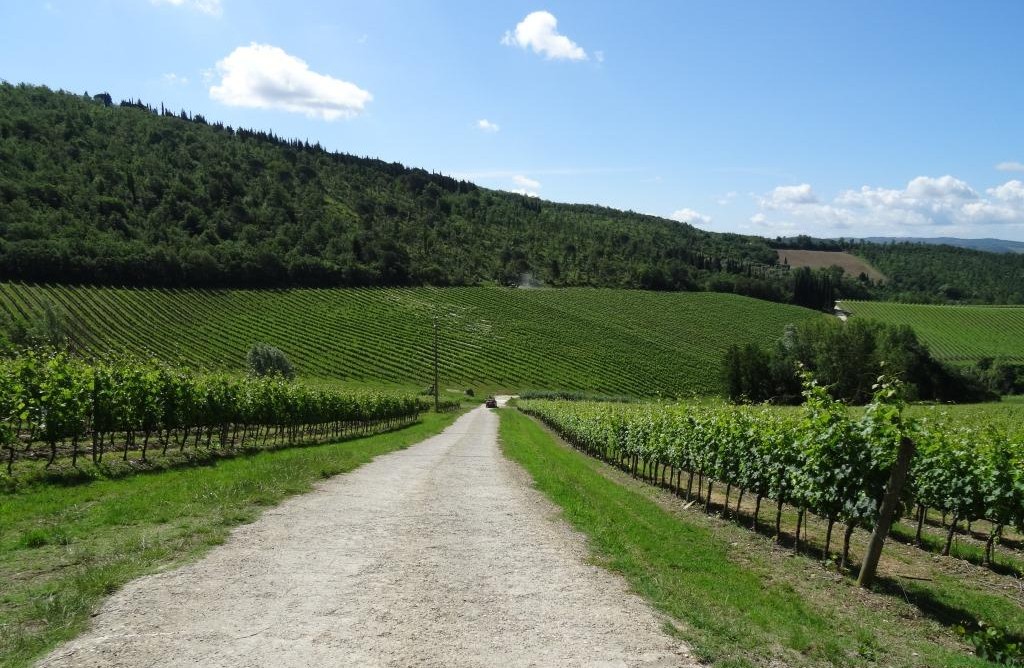
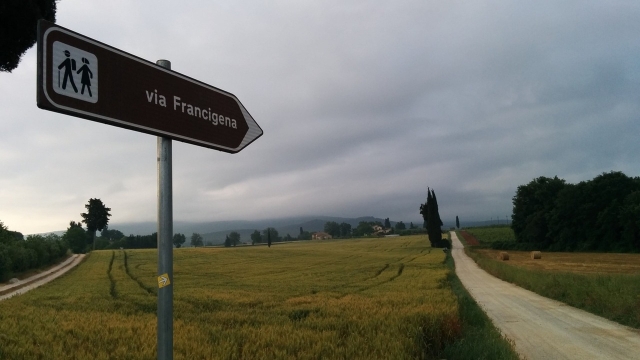
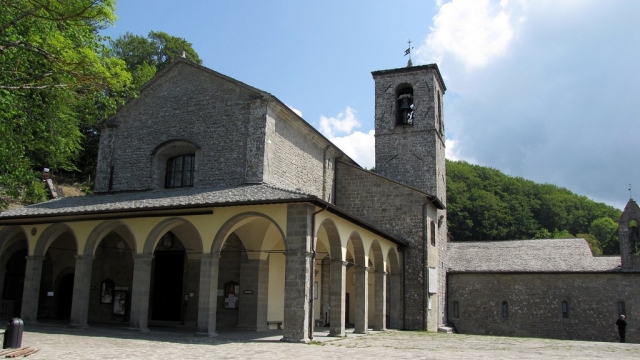
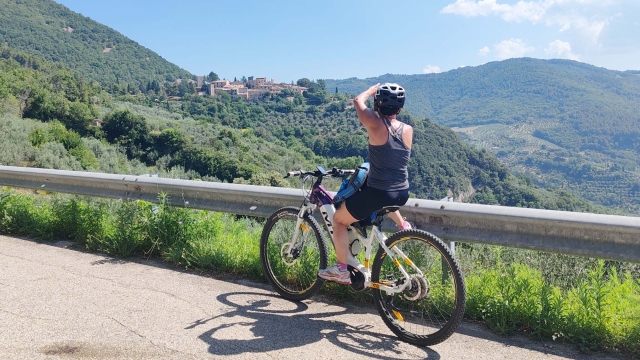
The Via degli Dei is a path that has been "rediscovered" towards the end of the eighties, on the basis of the one formerly covered by the Etruscans between the Seventh and Fourth Centuries b.C.
It was mainly a commercial road, beaten to increase traffic and exchanges with the inhabitants of the Po Valley.
The Romans then developed the route until it became a real road: the Flaminia Militare. The aim was to ensure a link between Bononia (Bologna) and the cities of Arezzo and Rome, through a route as easy and short as possible through the Apennines.
Later the road fell into disuse, until it became a path where the vegetation was slowly regaining its position, a veritable mule track.
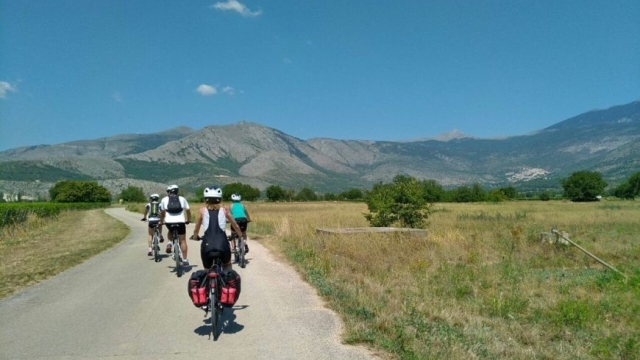
Now finally the Via degli Dei has reappropriated the role that most competes: that of great tourist attraction for lovers of trekking and mountain biking.
Program:
Day 1 Individual arrival in Bologna, a city with many attractions. You can walk through the 7 Chapels of the Basilica of Santo Stefano, admire the city from the Torre degli Asinelli and of course taste tagliatelle with ragù. Don't miss the view of the Piazza Maggiore or Piazza Grande, the subject of a famous song by Lucio Dalla, who lived a few meters away.
Day 2 Stop from Bologna to Sasso Marconi. From Piazza Maggiore, the heart of the city, you can walk to the Portico di San Luca, built in 1674: this is the longest covered road in the world, 4 km dominated by 666 arches to the Basilica of San Luca, from where you can enjoy a splendid view. The journey continues to Toulon Park, where the Casalecchio lock has managed the flow of Rhine waters to the city of Bologna for 800 years. From the top of a hill you will see the village of Sasso Marconi, named in honor of Nobel Prize-winning scientist Guglielmo Marconi.
Day 3 Stop from Sasso Marconi to Monzuno. A short private transfer will take you to Badolo, from where you will start walking uphill towards Monte Adone. The most important element of this leg of the journey is the Pliocene Buttress, the rocky bastion that arose from the shallow sea during the Pliocene (2-4 million years ago). Along some sections of the route you will walk on the sand, climbing to the edge of the overhang along the spectacular path that climbs to the top of Mount Adonis, with its characteristic stone towers. From here you will continue to Monzuno, where we recommend visiting the Zivieri cured meats shop, a temple of local food and wine, Slow Food Presidium.
Day 4 Stop from Monzuno to Bruscoli. In this section of the Camino you will encounter the first paved parts of the "Flaminia Military", the ancient Roman road that connected Bologna to Arezzo. You will cross the border with Tuscany and along the way you will arrive at Bruscoli where you will spend the night in a charming farmhouse on the hill.
Day 5 Stop from Bruscoli to San Piero a Sieve. Along the way you reach the Futa Pass, where we recommend a visit to the military cemetery, a moving monument to the absurdity of all wars. The highest peak is Monte Gazzaro with its white cross from which you can admire a splendid view of the Firenzuola valley and Mugello. A wide descent of the trail will take you to Sant'Agata, a typical Tuscan village. We recommend stopping to visit the unusual "Museum of Leprino", before continuing along the way. As you proceed you will notice that the scenario changes again, taking on typically Tuscan features. In San Piero to Sieve, you can dine while savoring the local cuisine of Mugello, or enjoy the typical Ramerino bread.
Day 6 Stop from San Piero a Sieve to Olmo. After leaving San Piero, you will continue towards Trebbio Castle, one of the Medici family residences, now privately owned. It offers an exceptional view: the Mugello valley and Lake Bilancino. The route continues through large olive groves to Tagliaferro, then climbs to the Badia di Bonsollazzo, a huge, completely abandoned building. After a while you will arrive at the Monastery of Monte Senario, founded by 7 saints belonging to the order of the Servants of Mary: their skulls are kept inside the church.
Day 7 Stage from Olmo to Fiesole/Florence. By now you have almost reached Florence, the end of the Camino is approaching. You will cross Vetta le Croci, a place where 200,000 barbarians killed during the Battle of Montereggi in 405 AD are said to be buried. You will then tackle the last climb up to the Pratone, before descending towards Fiesole, an Etruscan town built on a terrace overlooking the city of Florence. Here you can admire the vast archaeological area of the town, admiring with amazement the frescoed presbytery of the Cathedral of San Romolo. You will finally arrive in Florence, where you can celebrate with a refined Florentine steak. Florence offers many attractions but we recommend starting from Piazza del Duomo. Don't miss the Gate of Paradise in the Baptistery of St. John, which tells the stories of the Old Testament on gilded tiles of stunning beauty.
Day 8 Breakfast, check-out and end of services.
Details
The rate includes
- 7 nights stay in Farmhouse/Hotel/B&B
- Accommodation in double room, breakfast included, in the following locations and facilities (or similar)
Bologna: Hotel "University" Sasso Marconi: Hotel "Cà Vecchia" Monzuno: Hotel "Montevenere" Firenzuola: Restaurant "Il Passeggere" San Piero a Sieve: B&B "La Pieve" Olmo: Hotel "Dino" Florence: Hotel "Camilla"
- Transfer from Sasso Marconi to Badolo
- Transport of luggage from one place to another
- Detailed description of the route, maps and GPS tracks
- Credential of the pilgrim
- Medical/baggage insurance
The rate does not include
Transfers from/to airport or station, transfers to facilities, luggage transport, meals not mentioned, tips, personal extras and anything not expressly stated in "The rate includes".
Cancellation insurance (optional), price on request.