In ancient times-right up until the late 19th century-pilgrimage was a mass phenomenon involving millions of people across Europe. There were many different "Routes to Rome," which varied depending on departure points, road conditions, wars, banditry, and the presence of safe resting places, often connected to religious or monastic orders.
The Via Romea Germanica is one of these age-old routes. Mapped out in the 13th century as the "Melior Via," it offered pilgrims from Northern Europe a safer passage south. The Brenner and Serra passes were in fact among the lowest and most reliable mountain crossings. Not surprisingly, this path became the preferred route for Saxon emperors and the Germanic world as early as the 10th century.
Forlì-Forum Livii in Latin-is one of the ancient Roman market towns positioned along the Via Emilia between Rimini and Piacenza. Considered the linguistic heart of the Romagnolo dialect, the city belonged first to the Ostrogothic Kingdom and later to the Byzantine Empire together with Ravenna. After the intervention of Pepin the Short and the Donation of Constantine, it entered the territories of the Papal States, remaining there almost continuously until the unification of Italy in 1861.
In the Casentino region, inside the National Park of the Casentino Forests, Mount Falterona and Campigna, lies Chiusi della Verna, renowned for the Sanctuary of La Verna-the site where Saint Francis received the stigmata. The village's name may derive from the Latin Clausum or Clusu, referring to a customs point at the entrance of the valley along an ancient trade route from the Adriatic Sea.
The Casentino is crossed from south to north by the Via Maior, or Via Romea, a route mainly used by Germanic pilgrims traveling to Rome as an alternative to the Via Francigena. The stretch from Bagno di Romagna still preserves pavements from different historical periods.
Itinerary
Day 1 â€\" Arrival in Chiusi della Verna
Arrival in Chiusi della Verna and check-in at your hotel. If you arrive in the early afternoon, we recommend visiting the evocative Franciscan Sanctuary, open daily from 06:30 to 19:30 (until 22:00 in summer).
Note: To enter the Sanctuary, shoulders and chest must be covered, and knee-length trousers or skirts are required. More info: laverna.it
Day 2 â€\" From Chiusi della Verna to Chitignano / Fattoria il Trebbio
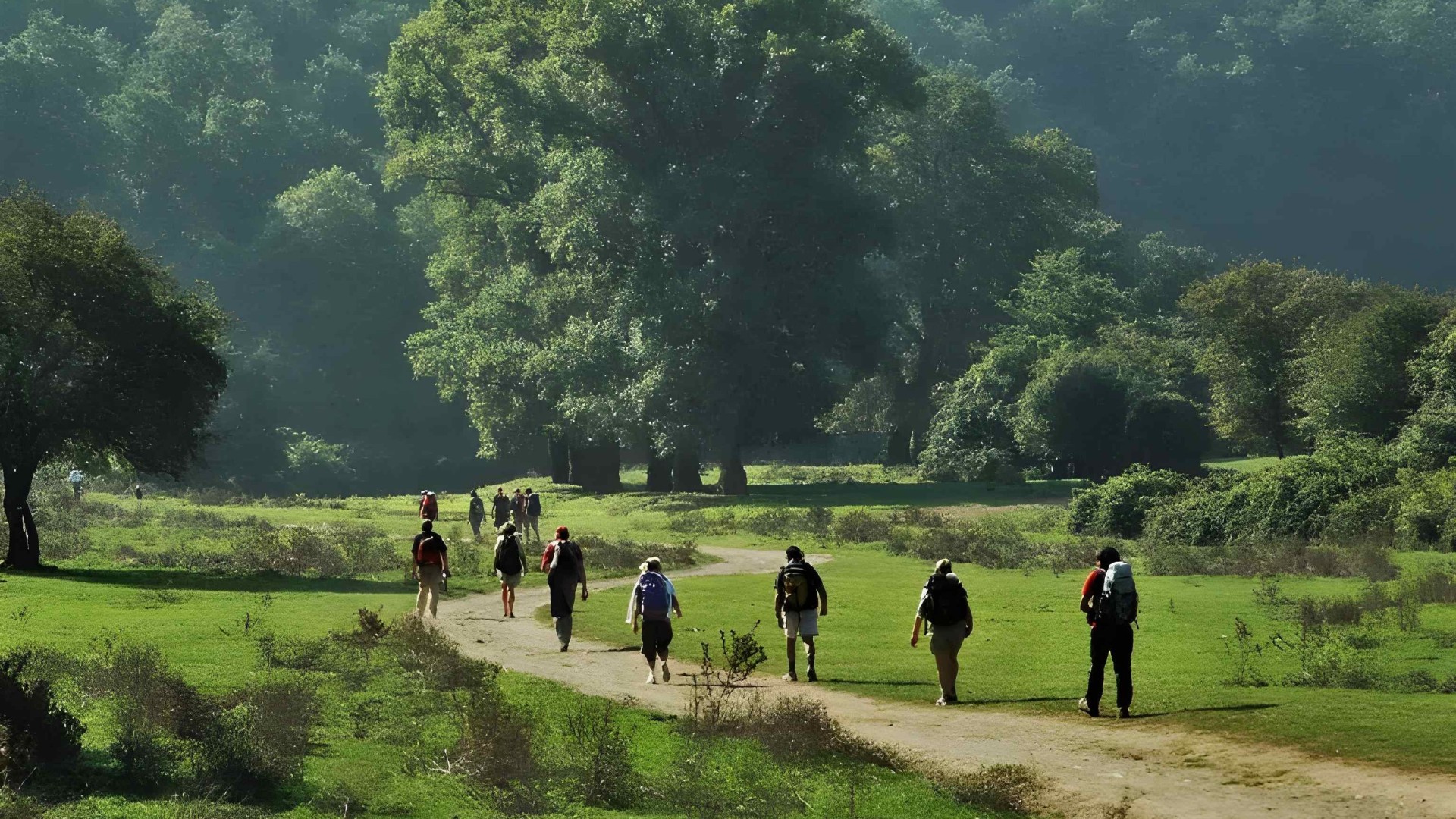
A gentle hike along forest paths and woodland tracks. You'll reach the Fonte di San Francesco, where-according to tradition-Saint Francis made water spring from the rock. A worthwhile 1-km detour leads to the medieval hamlet of Sarna.
The trail continues toward the charming village of Rosina and, with another short deviation, to the Ubertini Castle. Today the ancient structure is part of a larger complex reminiscent of a 17th-century villa, but you can still admire a crenellated tower and parts of the original foundations.
Day 3 â€\" From Chitignano / Fattoria il Trebbio to Subbiano
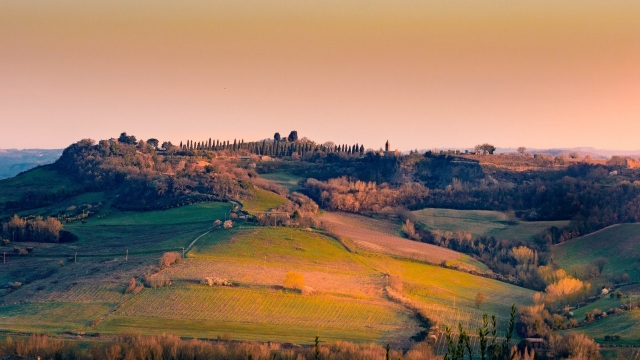
A pleasant hike through cultivated fields and rolling hills in the lower Casentino. A short detour takes you to the small hamlet of Poggio d'Acona.
The path then skirts the impressive Castello di Valenzano, whose origins date back to Lombard times, and perhaps even to the Etruscans, when the area lay along an ancient salt route. Over the centuries, the castle was expanded and belonged to both Lombard nobles and Camaldolese monks.
Day 4 â€\" From Subbiano to Arezzo
A long stage that initially follows the Arno River before crossing the plain between Arezzo and the gateway to the Casentino. Expect fields, hedgerows, and serene rural views. Don't miss the short detour to the Pieve di Sietina.
For those wishing to shorten the stage, a train from Subbiano-Capolona station to Giovi reduces the walk by about 8 km.
Day 5 â€\" From Arezzo to Castiglion Fiorentino
A long walk through the hills of eastern Valdichiana, featuring woodlands, wide open countryside, and sweeping views across the valley. Along the way you'll pass historic sites such as the Sargiano Convent and the Pieve di Rigutino.
Day 6 â€\" From Castiglion Fiorentino to Cortona
Today's route follows a mix of paved and gravel roads close to the valley floor, with beautiful views throughout. In the final stretch, Cortona emerges in all its elegance perched atop its hillside.
The trail runs beside the Castle of Montecchio Vesponi, with origins dating back to the Etruscan and Roman periods. The medieval fortress was built in the 9th century and later became a strategic stronghold in the struggles between Arezzo, Castiglion Fiorentino, and Cortona. A recommended 600-meter detour leads to the monumental Etruscan tomb of Sodo.
Day 7 â€\" Train to Terontola and hike to Castiglione del Lago
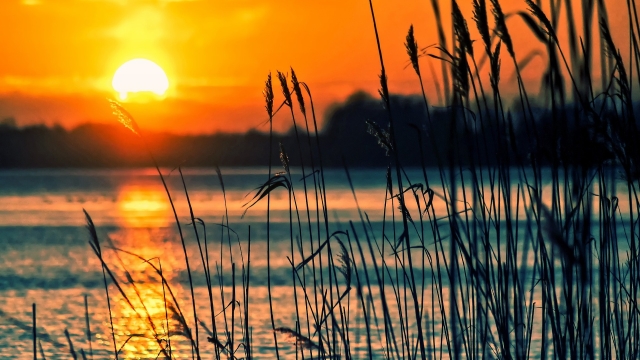
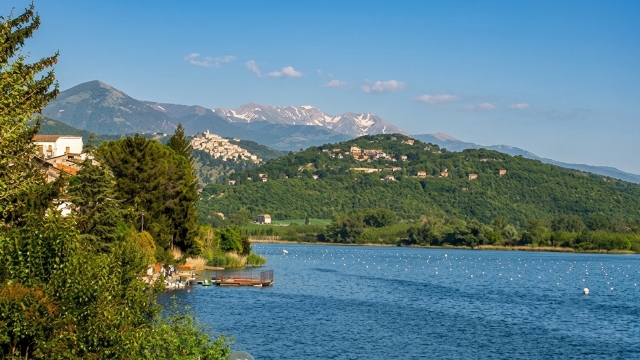
You'll cross the gentle border landscapes between Tuscany and Umbria before walking along the entire shoreline of Lake Trasimeno, with atmospheric views and a few optional diversions to hidden scenic lookouts.
Castiglione del Lago owes its name to the ancient coat of arms of the ruling family: Castellum Leonis (Castle of the Lion), later transformed into Castellioni. Founded by the Romans as Novum Clusium, it sits on a hill that was once the lake's fourth island before the waters receded.
Day 8 â€\" Departure from Castiglione del Lago
After breakfast, end of services and departure.
Details
The rate includes
- 7-night stay at Hotel, B&B or Farmhouse:
Chiusi della Verna: Hotel "Letizia"
Chitignano: Hotel Restaurant "Docciola"
Subbiano: "La Corte dell'Oca" Popular Hotel
Arezzo: B&B "Antiche Mura"
Castiglion Fiorentino: B&B "Viziottavo"
Cortona: Hotel "San Michele"
Castiglione del Lago: "Le Macerine" Hotel
- Accommodation in a double room, including breakfast
- Luggage transport from one facility to another
- Route descriptions, maps, GPS tracks and Apps
- Pilgrim's Credential
- Medical-luggage insurance
The rate does not include
- Transfers, meals not mentioned, gratuities, extras of a personal nature and anything not expressly indicated in "The Price Includes"
- Optional cancellation insurance, quotation on request