

Introduction: Why Team Building Has Become an Experience to Live
In recent years, experiential team building has become one of the strongest trends in corporate travel. These are no longer simple group activities, but immersive experiences in which people rediscover the value of collaboration, mutual trust, and authentic communication.
Whether it's a nature excursion, a treasure hunt in an art city, or a cooking workshop in a countryside farmhouse, the goal is always the same: to transform a group of colleagues into a united and motivated team.
Experiential team building is an approach that blends training and fun. Unlike traditional "classroom" team building, this method is based on learning through direct experience: participants face new and stimulating situations that challenge their relational, problem-solving, and leadership skills.
The most common activities include:
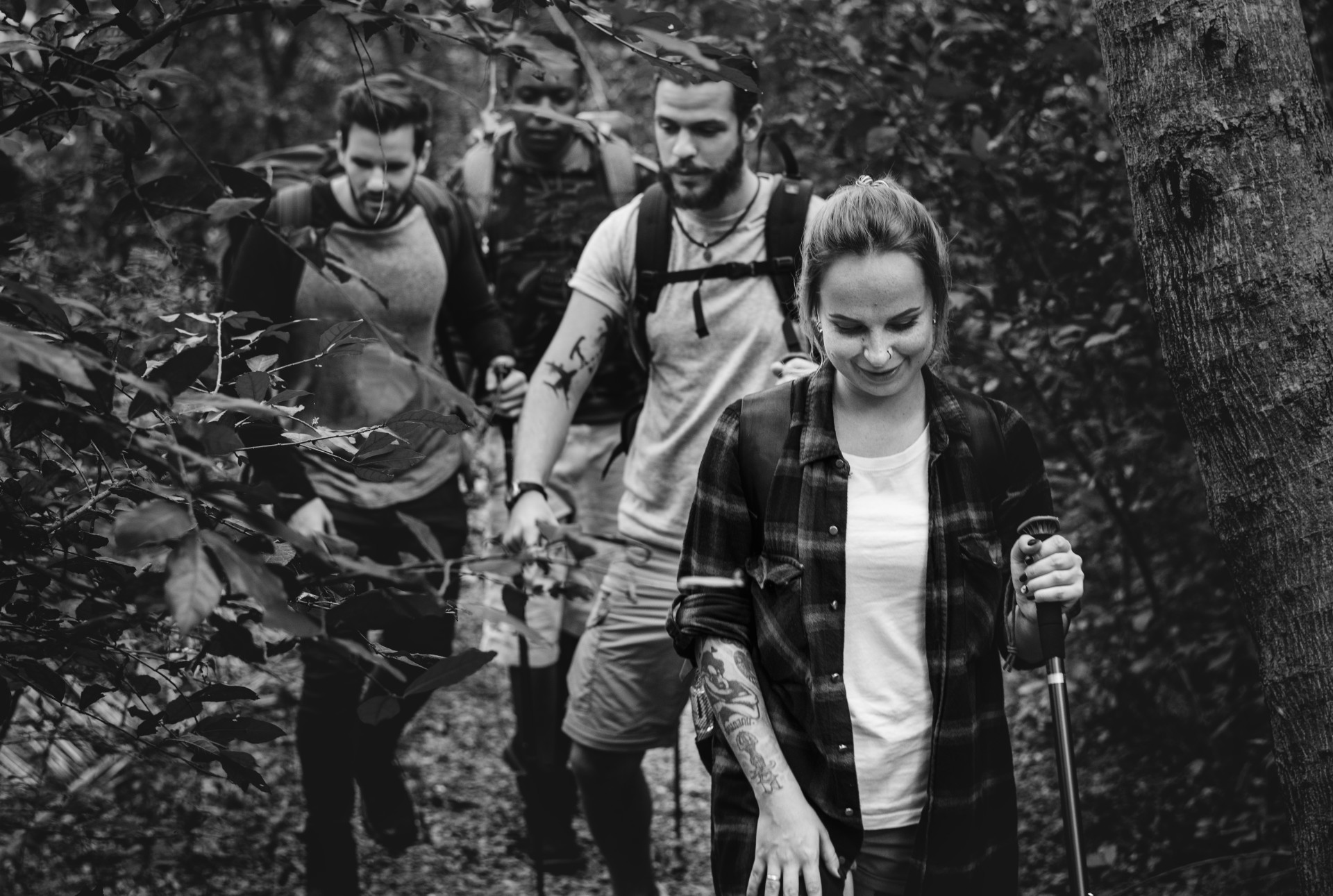
• Outdoor adventures (climbing, trekking, rafting, orienteering)
• Creative workshops (cooking, art, photography)
• Cultural experiences (discovering villages, local traditions, food and wine tours)
• Urban challenges (escape rooms, city games, team missions)
During experiential activities, participants often face challenges that require mutual support. This helps build trust naturally, far from the hierarchical dynamics of the office.
A mountain excursion or a survival challenge, for example, forces team members to rely on one another, strengthening cohesion and mutual respect.
Communication is the heart of every successful team. During a team-building experience, people learn to communicate more clearly and collaboratively, even in stressful or unexpected situations.
Activities such as orienteering challenges or strategic group games help participants develop empathy, listening skills, and initiative.
An out-of-the-ordinary experience boosts motivation more than any meeting ever could.
When a group shares an adventure - such as a multi-stop journey through Italian villages, a regional cooking competition, or a weekend on a farm with sustainable activities - it creates a sense of belonging that lasts.
The result? Greater enthusiasm, energy, and engagement even back at the office.
Italy offers countless ideal locations for experiential corporate tourism:
• Trentino-Alto Adige – for mountain lovers and outdoor activities.
• Tuscany – among hills, farm stays, and cooking classes.
• Puglia and Sicily – for teams wanting to combine sea, culture, and gastronomy.
• Umbria and Marche – ideal for nature and wellness experiences.
Investing in experiential team building means investing in the human value of a company.
A shared trip, a group activity, or a creative challenge can become transformative moments capable of strengthening trust, communication, and motivation - the essential ingredients of every winning team.

December 01, 2025

December 01, 2025